
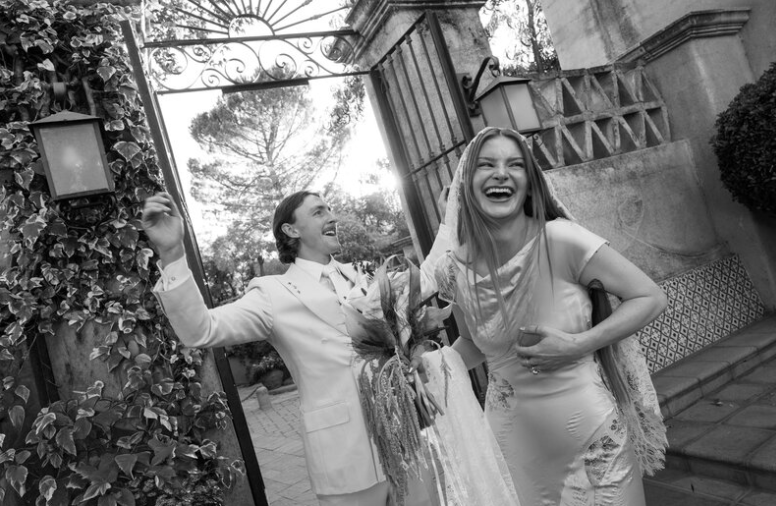
If you’ve been searching for a documentary wedding photographer, you’ve probably noticed that every photographer who uses that word seems to mean something slightly different by it. Some mean they shoot candidly. Some mean they don’t pose at all. Some mean they tell stories. Some just mean they like the way it sounds.
It’s one of those words that’s been used so many times in so many different ways that it’s started to mean everything and nothing at the same time. I don’t use it to describe my work. And I want to explain why, because I think the reason actually matters for you as a couple trying to figure out who to book.
What documentary is supposed to mean
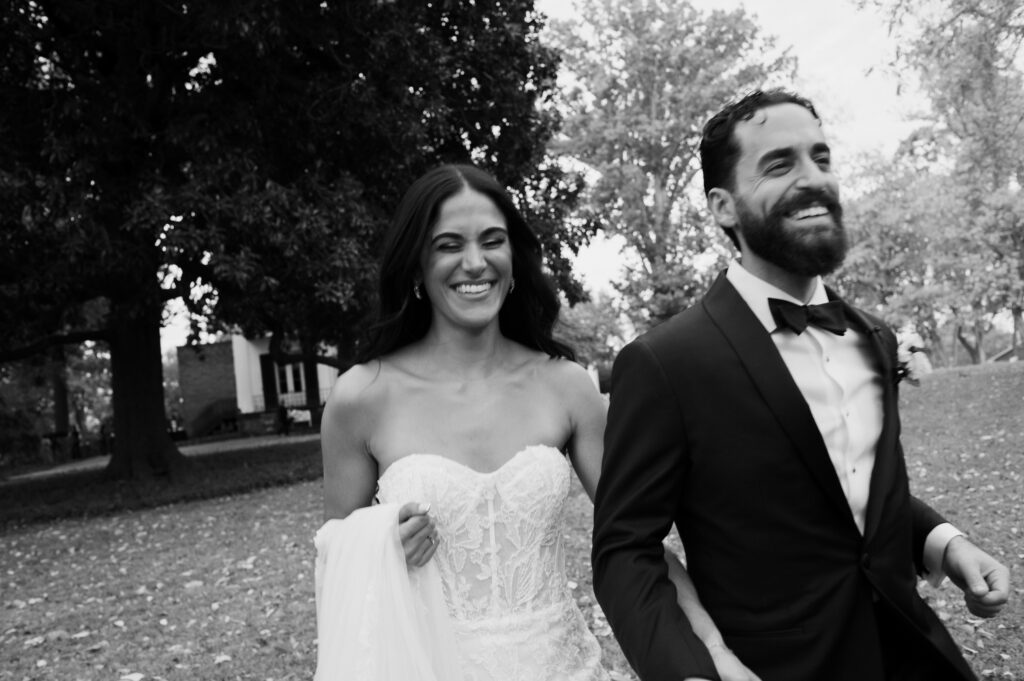
In the truest sense, a documentary wedding photographer is a fly on the wall. They show up, blend into the background, and purely capture the day as it unfolds. No direction, no posing, no stepping in. Just observation.
And there’s something genuinely beautiful about that idea. The best moments from any wedding day are almost always the unscripted ones. Your mom tearing up before she even sees you. The look your partner gives you when you come around the corner. The quiet moment between the two of you that nobody else caught.
Those are the frames that hit you right in the chest when you open your gallery. I’m genuinely obsessed with finding them. That part I believe in completely.
Here’s where it gets complicated
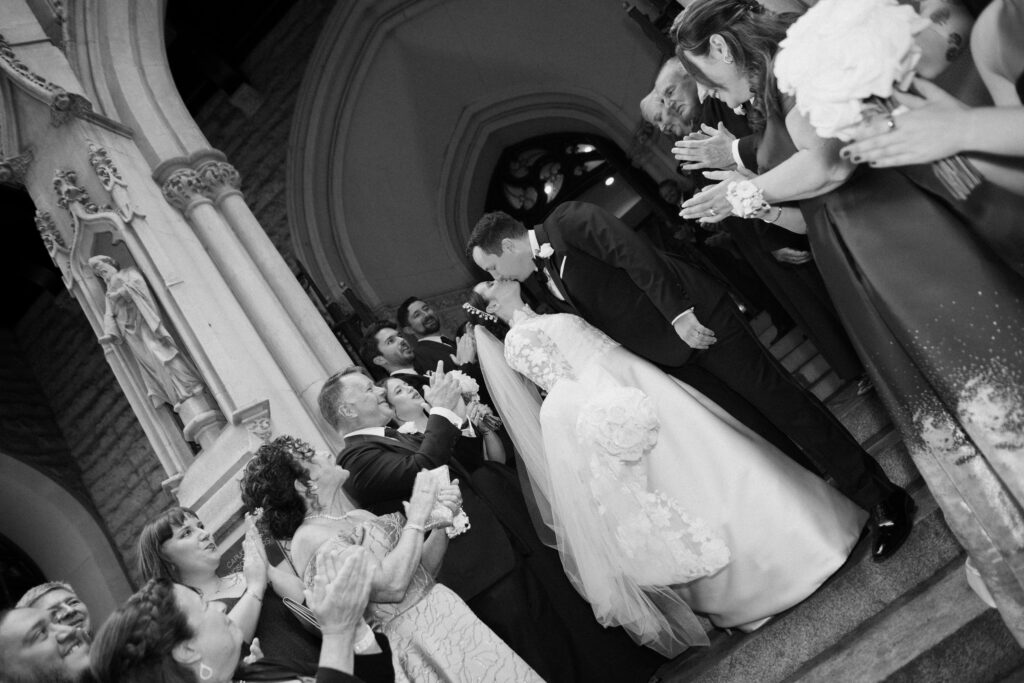
Most people are not comfortable in front of a camera. That’s just true. And when a photographer takes a purely hands-off approach with someone who’s already nervous about being photographed, one of two things tends to happen.
Either the person freezes and the photos feel stiff and uncomfortable. Or they spend the whole day hyperaware of the camera, which shows up in faces in a way that’s really hard to fix in editing. Pure documentary with zero direction sounds freeing in theory. In practice, for a lot of couples, it produces a gallery full of photos where they don’t quite love how they look.
That’s a hard thing to sit with after investing in wedding photography. I’ve seen it happen, and it’s part of why I stopped using the word.
What I actually do
After almost ten years of shooting weddings I’ve learned that the best photographs come from knowing when to step back and when to step in. Those are two completely different skills and they both matter.
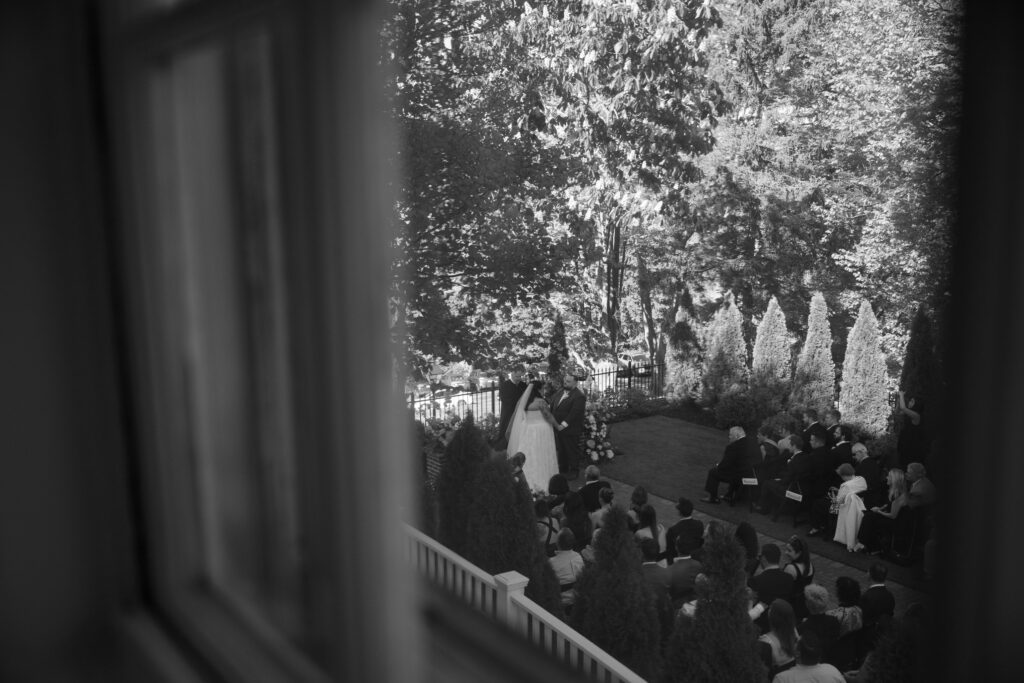
Stepping back looks like disappearing into the background during your ceremony. Letting your first look happen without me hovering. Hanging back at the reception while you’re actually dancing and laughing and forgetting I’m there. That’s where the real stuff lives and I know how to find it.
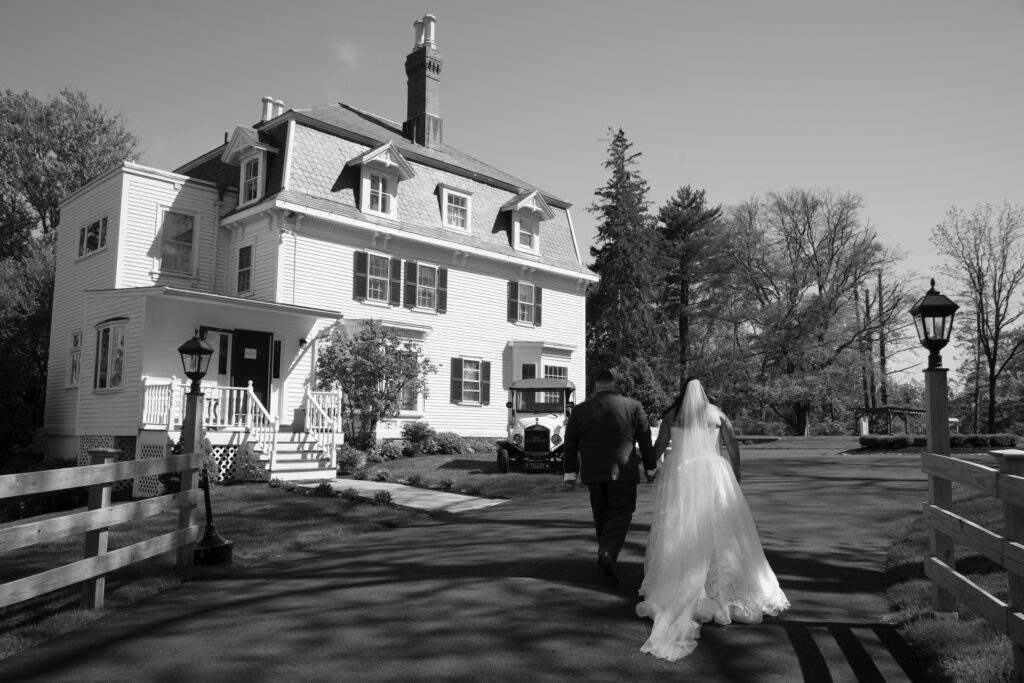
Stepping in looks like noticing you don’t know what to do with your hands during portraits and quietly giving you something to do. Walking you slowly toward each other. Asking you to say something in their ear. Little prompts that give your body a reason to relax and your face something genuine to do. Not posing you. Just giving you a starting point and then getting out of the way.
The difference between a photographer who only steps back and one who knows when to do both is the difference between a gallery you feel okay about and one you genuinely love. You can read more about what working together actually looks like if you want to understand the full picture before reaching out.
What this means for you
If you’ve been searching for a documentary wedding photographer because you want your day to feel real and unscripted, I get it. That’s exactly what I want for you too. You shouldn’t spend your wedding day feeling like you’re doing a photo shoot.
But real and unscripted doesn’t have to mean completely undirected. The couples who end up loving their wedding photos are almost always the ones who felt comfortable enough to forget the camera was there, and sometimes getting there takes a little help.
I’m not going to manufacture moments that don’t exist or put you in poses that don’t feel like you. But I am going to show up prepared to read your energy, meet you where you are, and make sure you have everything you need to feel like yourselves. There are some questions worth asking before you book anyone that are worth reading through before you make any decisions.
And if the idea of finding someone who actually collaborates with you rather than just showing up with a camera sounds like what you’re after, I also wrote about how to find someone who actually collaborates with you. Worth a read.
Based in Wilmington, NC and shooting all along the Carolina coast and beyond. If this sounds more like what you’ve been looking for, I’d love to talk.
x B


